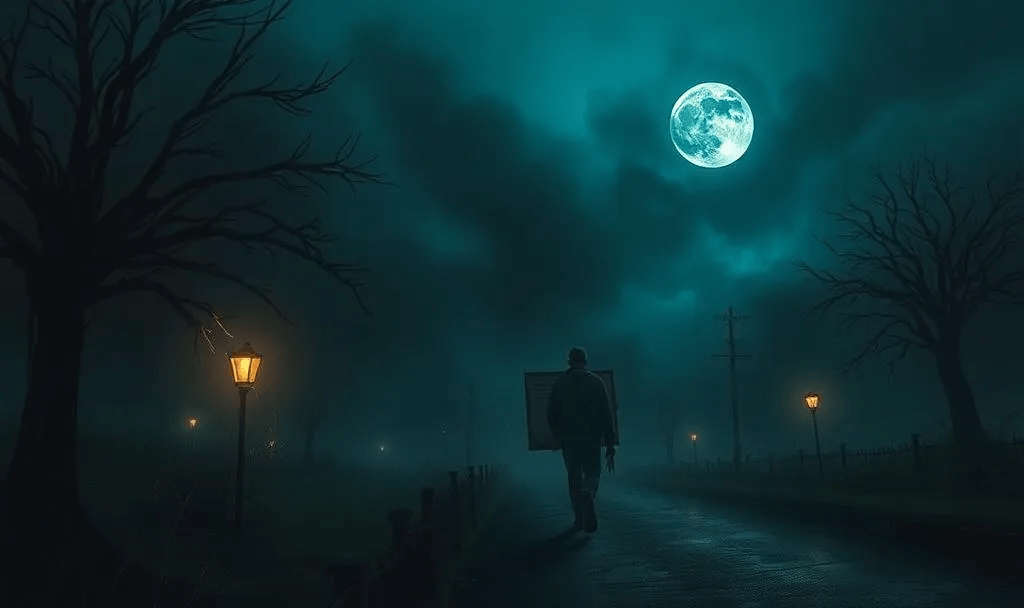
The Sickly Sweetness of Childhood: Love, Terror, and Sticky Summer Days

There’s something about summer that tastes like childhood—like cotton candy melting on your tongue, the sweat-streaked joy of running barefoot through sprinklers, and the thick, humid air clinging to your skin like a second memory. For many of us, childhood summers weren’t just a season—they were a feeling, both golden and haunting. A tangle of joy and ache, laughter and longing.

I remember the beach—sand hot enough to burn the soles of my feet, saltwater drying on my skin in itchy white patches, the ocean stretching out like a secret too big to tell. I also remember woods that felt like wonderlands, where neighborhood kids built forts from fallen branches and told stories that blurred truth and imagination. We played until the fireflies blinked awake, calling us home with their quiet glow.

Sticky fingers from funnel cake. The dizzy spin of the fair ride. The way cotton candy dissolved like a promise in your mouth. These memories live somewhere deep, saturated with sugar and sunburn.

But sweetness, when left too long in the heat, can rot.

For me, childhood was never just sweet. It was sickly sweet. The kind of sweetness that coats the throat until you choke on it. I lived with terror braided into love, fear hidden behind dance videos and neighborhood games. There were good days—so many good days—but even they carried an undertone, like music just slightly out of tune. The ache of knowing something wasn’t right, even if I couldn’t name it yet.

Summers were an escape and a stage. They offered a temporary forgetting, a sunlit performance of normalcy. But fear doesn’t take summers off. It lingers in the shadows of trees, in the sudden hush of a too-quiet room, in the spaces between laughter.

Still, summer taught me how to survive. How to sweat it out, how to keep moving. How to seek the joy that did exist—because it did. I loved those dance videos I made with friends, choreographing moves in the driveway under the unforgiving sun. I loved the way the beach felt like freedom. I loved the neon thrill of fairs, the creak of rides, the way the world seemed so big and full of color under carnival lights.

And I still carry those memories. They are sticky, yes—messy and complicated. But they are mine. They are the evidence that even in a childhood threaded with trauma, joy can take root and grow wild.

As adults, we often look back on childhood as either idyllic or painful. But most of us lived in the in-between. The real summer of childhood was neither perfect nor tragic. It was a paradox: sunshine and shadows. A sweet that stuck to the skin, both comforting and cloying.

Maybe that’s what makes summer memories so powerful. They remind us that beauty and pain often arrive hand in hand. That even in the hardest moments, joy is still possible—and sometimes, all the more precious for it.

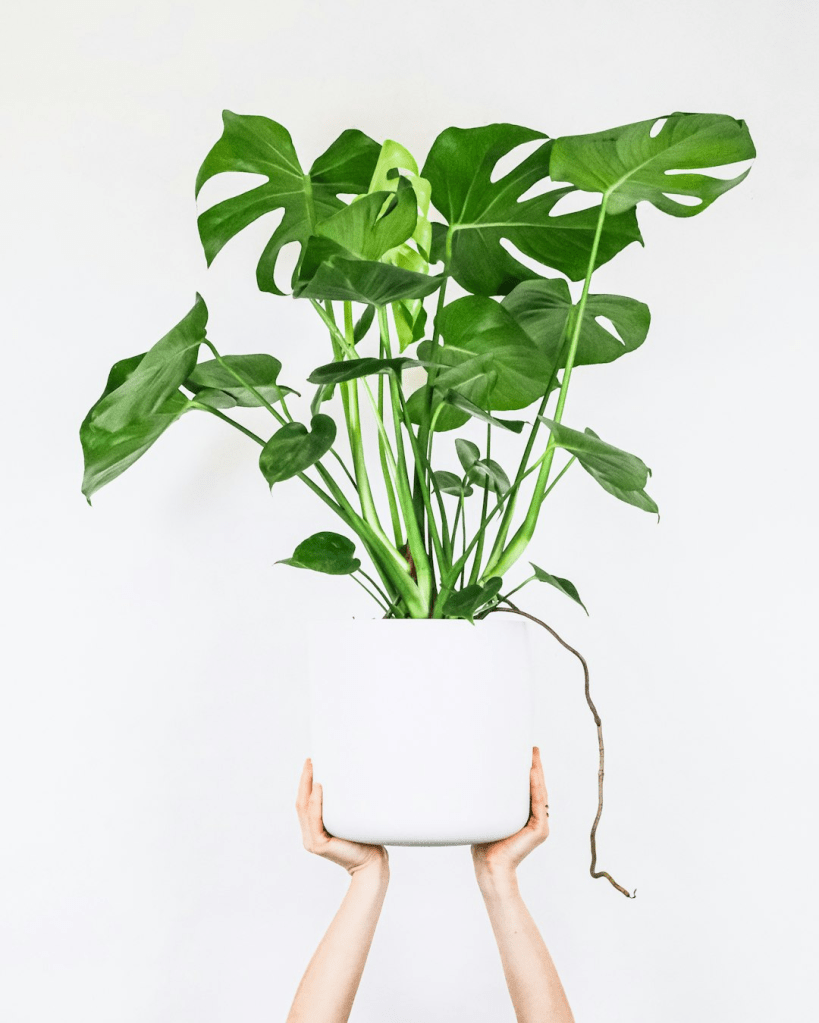
What Monstera Plants Taught Me About Growing New Relationships

When I first brought home my monstera plant, it was a droopy little thing—two leaves, both torn, and brown edges. I almost didn’t buy it., but something about its resilience tugged at me. The split leaves, the way it reached for light even in a dark corner, felt familiar. I was in a fragile place too—recovering from old wounds, trying to build a new life, and cautiously opening myself to new people.

I didn’t know it then, but that plant would become a mirror for how I approach emotional growth and healthy relationships.

Monstera plant care is all about trust. It’s less about perfection and more about patience. They don’t bloom overnight. They need space, consistency, and time to root before they unfurl. Just like people.

When I first met my husband, I felt myself curling inward like a leaf avoiding too much light. I didn’t know how to be safe in something that felt so gentle. He was kind, present, not pushy. But I kept expecting him to turn. To leave. To prove me right.

He didn’t.

He watered slowly—time, eye contact, small acts of care. No loud declarations, no pressure to be anything but where we were.

That’s the thing about monstera deliciosa: they don’t grow because you force them. They grow because the environment is right.

Emotional growth isn’t linear and neither is a monstera. People love them for their dramatic split leaves; those holes that look like little windows. But those don’t show up until the plant is mature. Young plants have plain, heart-shaped leaves. You have to wait for the drama.

In new relationships, especially when you come from trauma, it’s tempting to rush to meaning. To want someone to see you, understand your history, meet every need before you’ve even named them yourself. I’ve done that and when people couldn’t hold it all, I’d take it as proof that connection wasn’t safe.

But like a monstera, emotional growth needs gentleness.

It took time before I let my husband into the messier layers of me—my hypervigilance, my past, the way I flinch when someone unexpectedly comes up behind me. And to his credit, he didn’t push. He just stayed. He made it safe enough for me to start unfolding.

The holes and slits didn’t come all at once. But they came.

Healthy relationships need the right light. A monstera grows best in bright, indirect light. Too much sun, and the leaves scorch. Too little, and they droop. That balance—between closeness and space—is everything.

It’s the same with people. New relationships need room to breathe. We can’t expect deep intimacy without emotional sunlight, but we also can’t force connection before it’s ready. There’s a rhythm to it. A seasonal pace.

My husband gave me that balance. And over time, I learned to give it back.

If you’re navigating new connections—romantic, platonic, or even with yourself—consider the wisdom of monstera plant care. Be patient. Let the roots settle. Allow light in, but don’t flood the soil.

Growth takes time. But when it comes, it’s beautiful. Holes and all.

The Dark Waters of the Mind: How Nightmares Mirror the Element of Water

Nightmares have haunted human sleep since the beginning of time. While they may seem like senseless, terrifying disruptions, these nocturnal episodes often hold deep symbolic meaning. One powerful lens through which to understand nightmares is by examining their connection to the natural element of water—an ancient, shape-shifting force that reflects our unconscious mind.

Water, by nature, is emotional, elusive, and deeply symbolic. It cleanses and destroys, gives life and threatens to drown it. Likewise, nightmares can be both cathartic and terrifying, often arising from the depths of our subconscious to signal something unresolved. They may manifest as drowning, tidal waves, murky lakes, or rainstorms—each carrying its own psychological weight. But even beyond the dream content itself, water as an element offers a profound metaphor for the nightmare experience.

Nightmares tend to surge during periods of high emotional intensity—grief, anxiety, trauma, or major life changes. In the same way a flood breaks the levees, nightmares break through the barriers of our waking defenses. Just as water overflows when a container is too full, the psyche releases excess emotional pressure through dreams. Nightmares aren’t random—they are the emotional floodwaters of the mind, seeking release when we can no longer contain our feelings by day.

In Jungian psychology, water is often seen as a symbol of the unconscious. When it appears in dreams—especially as turbulent, overwhelming, or threatening—it can suggest that powerful emotional material is trying to surface. Nightmares can be seen as the soul’s attempt to purge or process these deep inner currents.

On the surface, nightmares seem chaotic, but beneath them lie meaningful patterns. Calm water might look harmless until a riptide pulls you under. Nightmares often work the same way—they may begin with a familiar setting, only to twist suddenly into something frightening. That shift mirrors the deceptive calm of our waking lives when, under the surface, trauma or anxiety is silently churning.

Recurring nightmares are like a warning buoy bobbing in open sea—something wants your attention. Whether you’re dreaming of being chased, trapped underwater, or watching a tsunami rise in the distance, the metaphor often points toward emotional overwhelm, unresolved memories, or fears too long ignored.

Though water can devastate, it also transforms. Rivers erode rock. Rain nourishes. The ocean holds mystery but also rhythm and renewal. Similarly, nightmares—though painful—can catalyze healing. They can guide us to repressed truths or highlight patterns we’re avoiding. When faced consciously, nightmares become messengers rather than enemies.

Therapists often encourage clients to record nightmares and work with the imagery, asking: What is the water trying to show me? What’s beneath the surface? Approaching nightmares with curiosity rather than fear allows the psyche to integrate the message. Just as facing the ocean teaches respect and caution, facing our inner waters can offer profound self-understanding.

Water connects all living things. It moves through rivers, clouds, and veins. It remembers. Similarly, some nightmares feel older than our personal lives—dreams of drowning, being pulled by unseen hands, or finding yourself lost at sea. These may speak to ancestral trauma, collective fear, or generational memory.

Carl Jung believed water in dreams often symbolized the collective unconscious—a shared psychic reservoir of human experience. Nightmares from this realm may not make immediate sense, but they often carry archetypal imagery that taps into primal fears. In this way, water becomes not just a personal symbol, but a bridge to a larger, more mysterious truth.

So how do we calm the waters of the mind? Grounding practices like journaling, meditation, breath work, and therapy can help bring awareness to what’s stirring beneath the surface. Keeping a dream journal by the bed creates space for the nightmares to land—to be seen, understood, and softened.

Remember: water doesn’t respond to force. It responds to presence. The same is true for nightmares. When met with patience and attention, they begin to shift. Sometimes the waves crash harder before they recede—but eventually, clarity comes. The storm passes. And the water, once feared, becomes a mirror.

Nightmares, like water, reflect our emotional landscape. They are neither punishment nor prophecy, but a natural response to the turbulence we carry within. By viewing nightmares through the lens of water—fluid, reflective, and deep—we gain a more compassionate understanding of their purpose. They are not here to drown us. They are here to cleanse, reveal, and transform.