The Quiet Power of Moss: What Soft Things Teach Us About Survival

Some things don’t bloom. They cling.

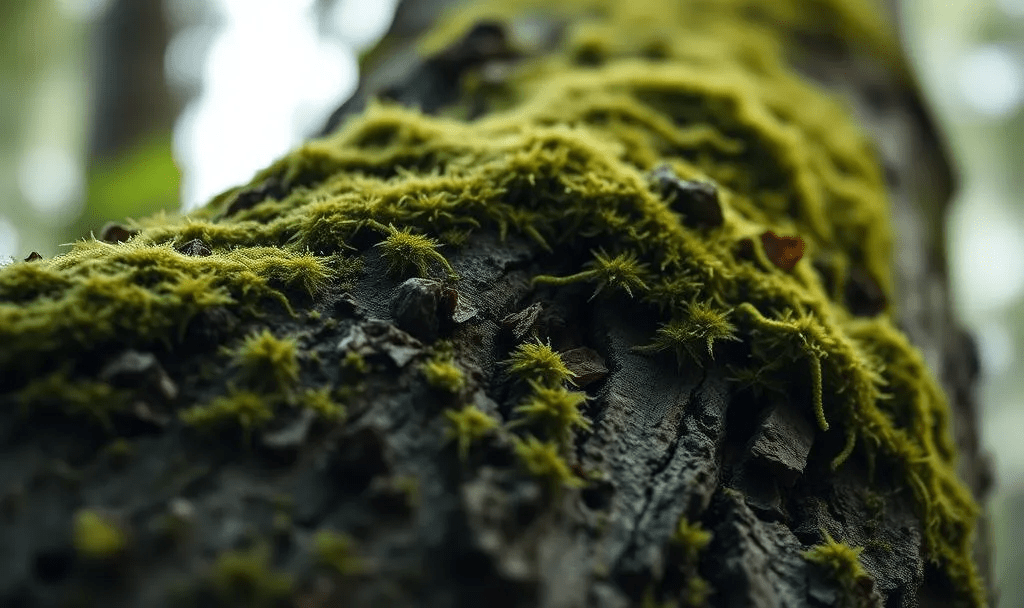
Moss has no flashy petals, no towering stems, no fragrance to lure you close. But once you start noticing it—curling over stones, softening the bark of old trees, thriving in the forgotten corners of forests—it’s hard to unsee.

I first started paying attention to moss during a walk in the woods after a therapy session. I was hollowed out, emotionally cracked open, trying to make sense of how to live in a world that hadn’t always been kind to me. The trees didn’t say much that day. But the moss? The moss felt like it had something to say.

Moss thrives where other things can’t.In the natural world, moss is one of the oldest forms of plant life—resilient, humble, and quietly persistent. It doesn’t need deep roots. It doesn’t require perfect conditions. It survives where others can’t: on rocks, in shade, and with very little nourishment.

There’s something deeply comforting about that.

I think about the parts of me that survived the hard years—not because they were strong in the traditional sense, but because they learned how to stay soft. The parts that clung to scraps of kindness, that made something green from very little. That’s moss energy. It’s not about pushing through. It’s about adapting, absorbing, and continuing.

Moss is often overlooked. People step on it. Brush it aside. Sometimes we do that to ourselves, too. Especially when we don’t fit the mold of what strength is supposed to look like—loud, busy, linear, ambitious.

But moss reminds me that there’s power in softness. Power in choosing quiet. In being the one who holds the emotional texture of a room without demanding to be the center of it.

If you’ve ever felt like the background friend, the one who supports while others shine—know that moss is like you. And the forest wouldn’t be the same without it.

There’s a therapeutic lesson in moss care: it teaches presence. Moss doesn’t grow quickly. It doesn’t chase sunlight. It teaches you to slow down. To notice dampness. Texture. The way light moves through the trees.

Lately, I’ve been trying to live more like moss—choosing rest over hustle, curiosity over control. When my nervous system starts to spike, I try to remember that the most ancient forms of life are also the most gentle. They don’t shout. They whisper. And they’re still here.

If you’re in a season where blooming feels impossible, look to moss. It doesn’t rise above. It holds tight. It makes beauty out of broken places. That, too, is survival.

Maybe the softest things aren’t weak. Maybe they’re just the wisest.

What Monstera Plants Taught Me About Growing New Relationships

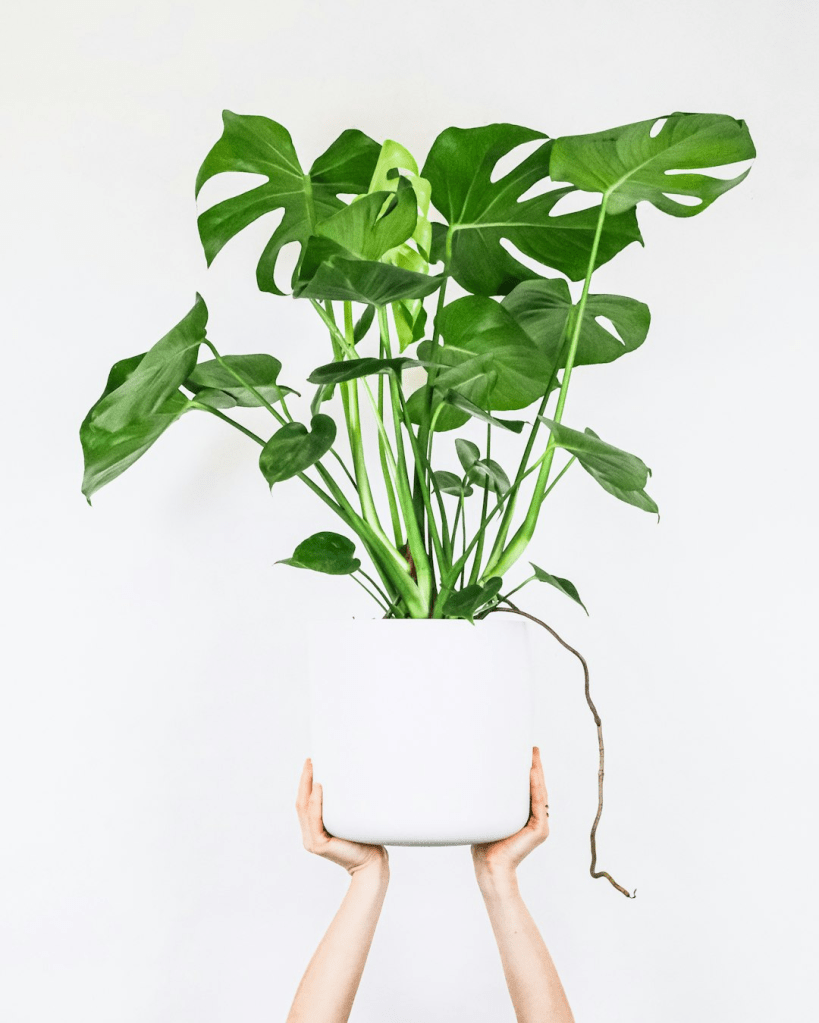
When I first brought home my monstera plant, it was a droopy little thing—two leaves, both torn, and brown edges. I almost didn’t buy it., but something about its resilience tugged at me. The split leaves, the way it reached for light even in a dark corner, felt familiar. I was in a fragile place too—recovering from old wounds, trying to build a new life, and cautiously opening myself to new people.

I didn’t know it then, but that plant would become a mirror for how I approach emotional growth and healthy relationships.

Monstera plant care is all about trust. It’s less about perfection and more about patience. They don’t bloom overnight. They need space, consistency, and time to root before they unfurl. Just like people.

When I first met my husband, I felt myself curling inward like a leaf avoiding too much light. I didn’t know how to be safe in something that felt so gentle. He was kind, present, not pushy. But I kept expecting him to turn. To leave. To prove me right.

He didn’t.

He watered slowly—time, eye contact, small acts of care. No loud declarations, no pressure to be anything but where we were.

That’s the thing about monstera deliciosa: they don’t grow because you force them. They grow because the environment is right.

Emotional growth isn’t linear and neither is a monstera. People love them for their dramatic split leaves; those holes that look like little windows. But those don’t show up until the plant is mature. Young plants have plain, heart-shaped leaves. You have to wait for the drama.

In new relationships, especially when you come from trauma, it’s tempting to rush to meaning. To want someone to see you, understand your history, meet every need before you’ve even named them yourself. I’ve done that and when people couldn’t hold it all, I’d take it as proof that connection wasn’t safe.

But like a monstera, emotional growth needs gentleness.

It took time before I let my husband into the messier layers of me—my hypervigilance, my past, the way I flinch when someone unexpectedly comes up behind me. And to his credit, he didn’t push. He just stayed. He made it safe enough for me to start unfolding.

The holes and slits didn’t come all at once. But they came.

Healthy relationships need the right light. A monstera grows best in bright, indirect light. Too much sun, and the leaves scorch. Too little, and they droop. That balance—between closeness and space—is everything.

It’s the same with people. New relationships need room to breathe. We can’t expect deep intimacy without emotional sunlight, but we also can’t force connection before it’s ready. There’s a rhythm to it. A seasonal pace.

My husband gave me that balance. And over time, I learned to give it back.

If you’re navigating new connections—romantic, platonic, or even with yourself—consider the wisdom of monstera plant care. Be patient. Let the roots settle. Allow light in, but don’t flood the soil.

Growth takes time. But when it comes, it’s beautiful. Holes and all.

The Ones That Lived: On Neglect, Healing, and the Mystery of Resilience

If you’re in a season of stillness or softness, this one’s for you.

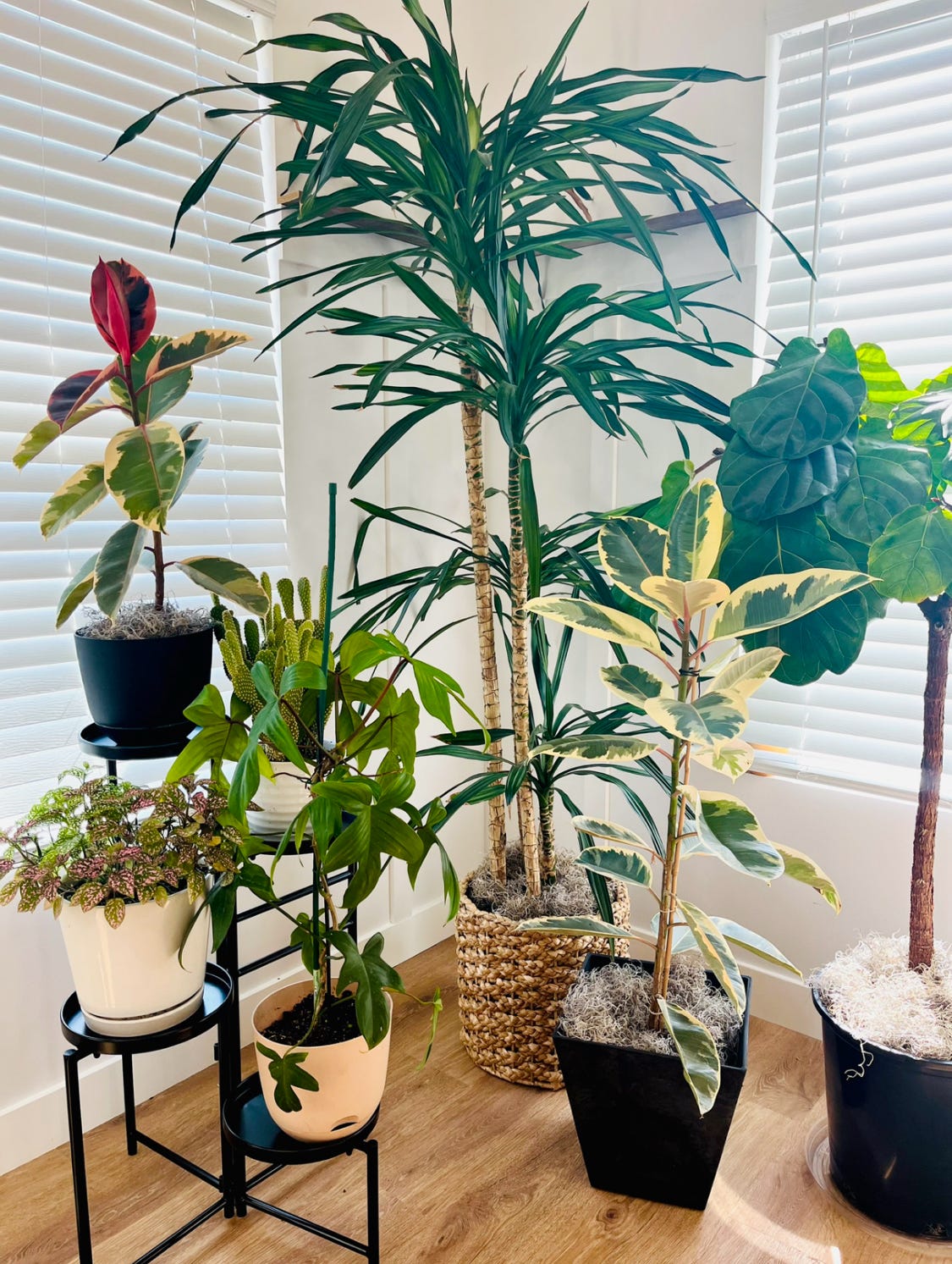
I own fifty houseplants. Not a typo. Fifty. They surround my windowsills and bookshelves, drink in the light that trickles through the blinds, and lean toward the world like they want something from it. They’ve been my quiet companions for years—green things I could nurture when I didn’t know how to nurture myself.

And then I stopped.

Five months ago, I had foot surgery. The kind that takes something out of you, and then keeps taking. I didn’t mean to neglect them. But one week turned into three. My succulents went a full season without water. Not even a glance. I didn’t mist, prune, repot, or rotate. I barely moved.

And yet… they’re alive. Not just clinging on, but thriving.

I keep walking past them like they’re a miracle I don’t quite believe in. The Peace Lily and Anthuriums bloomed. The Pothos are cascading like they’re auditioning for a catalog. Even the Fiddle-Leaf Fig—which used to drop a leaf in protest every time I breathed near it—has put out new growth.

It doesn’t make sense. But also, it does.

Plants are built for drought. And maybe, in some quiet way, so am I.

Here’s what I’ve learned since:

Some of my plants went dormant. That’s what they do in winter. They slow down and conserve energy. They look like they’re doing nothing at all, but underground, there’s a soft, invisible kind of resilience. They’re waiting for better light. Not panicking. Not performing. Just being.

Some are hardy by nature—the plants with thick leaves and thick skin are built for long stretches without rain. They’ve adapted to scarcity. They know how to hold on when nothing good is coming in.

My plants had deep enough roots to survive because I’d cared for them well before the silence. They had reserves. They trusted the soil. They knew what it was like to be fed—and they held on until I could return.

And yes, maybe I got lucky. Maybe the light stayed steady, the temperatures didn’t swing, and the pests didn’t find their way in. But there’s more to it than odds.

There’s something here I needed to see.

Survival isn’t always a sign of perfect care. Sometimes it’s a sign of deep, ancestral wisdom.

These plants—my fifty green mirrors—didn’t need constant tending. They just needed enough. And maybe that’s a truth I’ve forgotten in my own healing. Thriving doesn’t always look like doing everything right. Sometimes resting is the most powerful thing you can do.

I thought they would die without me. I thought everything would fall apart the moment I let go. I didn’t even care honestly. I was more focused on my own pain. But they didn’t. And neither did I.

This isn’t a metaphor I was trying to write. But here it is anyway:

I think about the parts of me I’ve left alone lately. The inner places I haven’t watered. The parts I was afraid might wither if I stopped showing up perfectly. But healing—real healing—isn’t manicured. It’s not a checklist. It’s a season. A dormancy. A rooting deeper into the self.

I’ve been growing this whole time, even if I didn’t see it.

And maybe you have, too.

Maybe you’ve come through something lately—a loss, a reckoning, a long dark hallway of uncertainty. Maybe you feel behind, or brittle, or overdue for care. Maybe you think your neglect is the end of things.

But maybe it isn’t.

Maybe the bloom will come anyway.

Maybe the roots held on for you.

Maybe you are more resilient than you realized.

So here’s to the ones that lived.

To the ones that didn’t get everything they needed, but made it anyway. To the ones that went quiet and kept breathing. To the ones that waited for the light to change.

To the part of you that’s still reaching, even now.

Rooted and Uprooted: What Trees Teach Us About Human Change

There’s a skinny Beech tree about 10 feet tall outside my window that I hastily transplanted last night. I dug it up from a shaded patch of woods surrounded by 70 foot mature Maple and Oak trees. It was at my property that’s 15 minutes away from my house.

My husband got Persimmon tree starters from a neighbor and he wanted to plant a grove at the property. I saw the established Beech tree and knew I had to have it in our backyard. We built a house two years ago and there are no mature trees, which hurts my nature-loving heart.

My dad worked in the veneer industry and I spent my life observing trees. It’s my safe place, my home. He taught me that the root ball is the most important part of digging up a tree if you want it to survive. He taught me that you should dig up a new tree with a diameter of at least three to five feet in order to preserve the root ball. Well, the Spring sun was getting ready to set in an hour and my husband wanted to test out his new boomerang that his sister brought home from Australia.

Since the tree cost nothing and we have hundreds of them, I told him to dig it up quickly, so we only dug a one to two foot root ball. My dad was probably rolling over in his grave.

We got on the four wheeler hauling our ten foot tree and threw it in the pond so the roots didn’t dry out until we were ready to leave after his failed attempts at getting the boomerang to circle back.

We rushed home and immediately dug the hole. It was pure clay, which isn’t good. We dug it up from a sandy, loamy soil. Tree roots need air pockets to survive. I pushed it into the ground and smothered it in the clay, watering it with a rooting hormone. So much of me feels like it won’t take, but I will try everything to get it to survive because if I love something enough it will work out, right?

It looks beautiful in the morning light, but the leaves look droopy upon closer inspection. My heart sunk. That image won’t leave me because I’ve felt like that tree—cut off from what was familiar, stunned by the cold air of change, and unsure whether I’d survive the move.

Transplanting, whether of trees or of people, isn’t just a moment. It’s a season. One full of pain, patience, and quiet becoming.

As trees prepare for transplant, change begins long before the move. A tree must be pruned and roots partially loosened. The timing must be right—the soil prepared. You don’t just rip something out of the ground and expect it to thrive.

We’re the same. We know when something no longer fits—a relationship, a job, a version of ourselves—but leaving takes more than awareness. It takes readiness. When we rush, we tear something vital. When we delay too long, we risk shrinking in place. The body knows when it’s time and learning to listen is part of the work.

Even in perfect conditions, a tree experiences shock because of the root disturbance. It stops absorbing nutrients. It drops leaves. From the outside, it looks like it’s dying.

So do we.

When we leave the known behind, even for something better, we often fall apart before we rebuild. There’s grief, guilt, and that whisper of, “Maybe I made a mistake.” But that isn’t failure. It’s a natural part of the process. The old roots have been severed. The new ones aren’t established yet. It’s okay to feel lost in between.

Replanting requires the right soil. Where the tree lands matters. It needs sunlight, good drainage, and protection from wind. Without the right conditions, the transplant won’t take. I made all of those mistakes with my new Beech tree because I had no time or patience. I thought I could wing it on a hope and a prayer.

Humans need nourishing environments, too. Safe people. Quiet mornings. Gentle structure. You don’t owe anyone speed. You don’t need to prove your worth by blooming fast. Healing asks for presence, not performance.

Adaptation happens underground. For a while, nothing seems to happen. The branches stay bare. The growth is invisible. But underground, the roots are reaching, rebuilding, and testing the new soil.

We live this too. We think we’re stuck, but really we’re re-rooting. What looks like stillness is often transformation in disguise.

Eventually, if conditions are right, the tree adapts and thrives in it’s new location. The roots grow deeper. The trunk grows stronger. The stress of the move becomes a memory as the bloom returns.

And maybe, in time, you will feel that too—that this new place was not just an escape, but an arrival. You will feel that you are not just surviving, but thriving and that you’re not who you were before the transplant happened.

If you’re in a season of uprooting, know this: there is nothing wrong with you. This discomfort is not a mistake. It’s your system adjusting. Keep resting. Keep reaching. Let the roots take hold.

The bloom will come.

Caring Too Much Can Kill

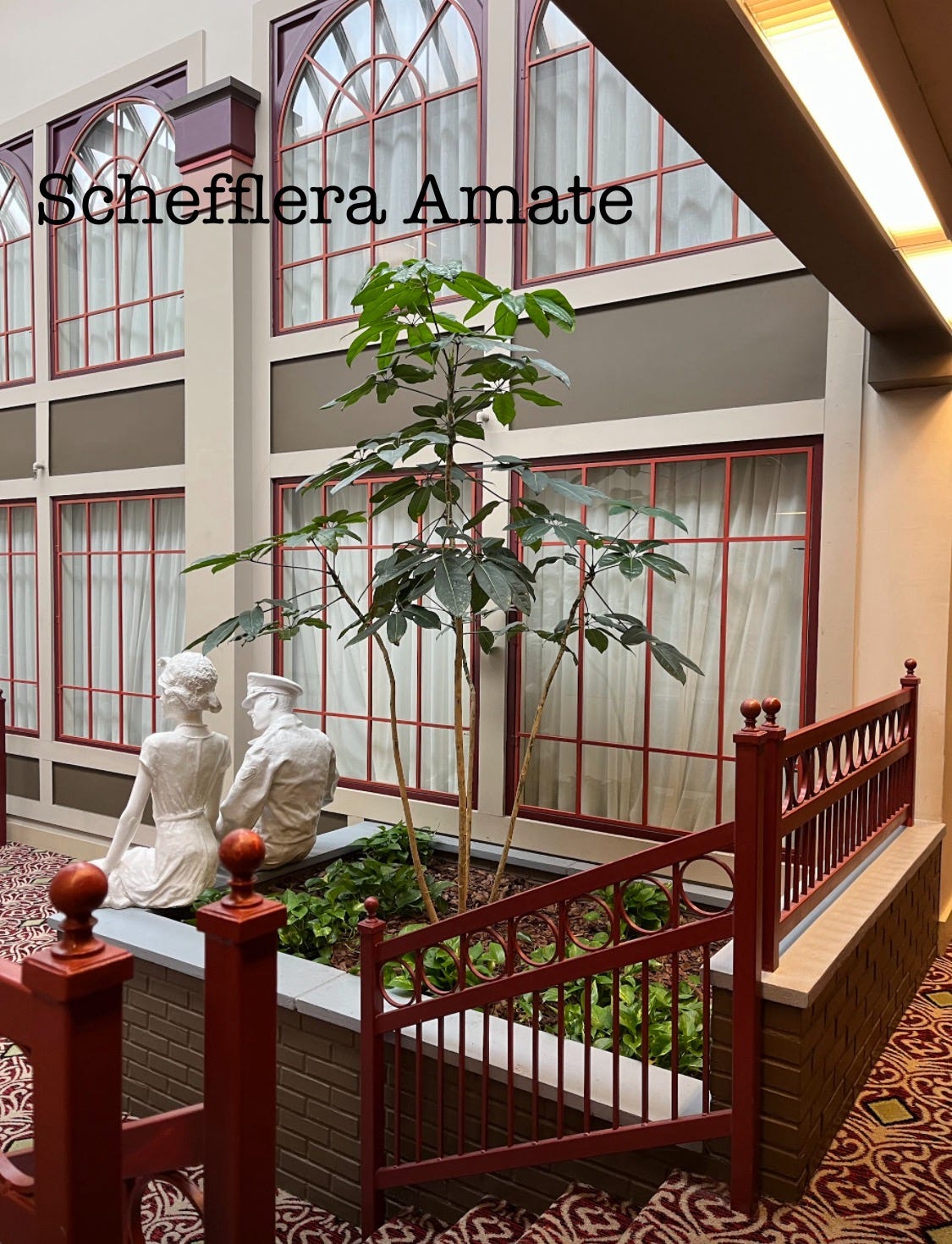
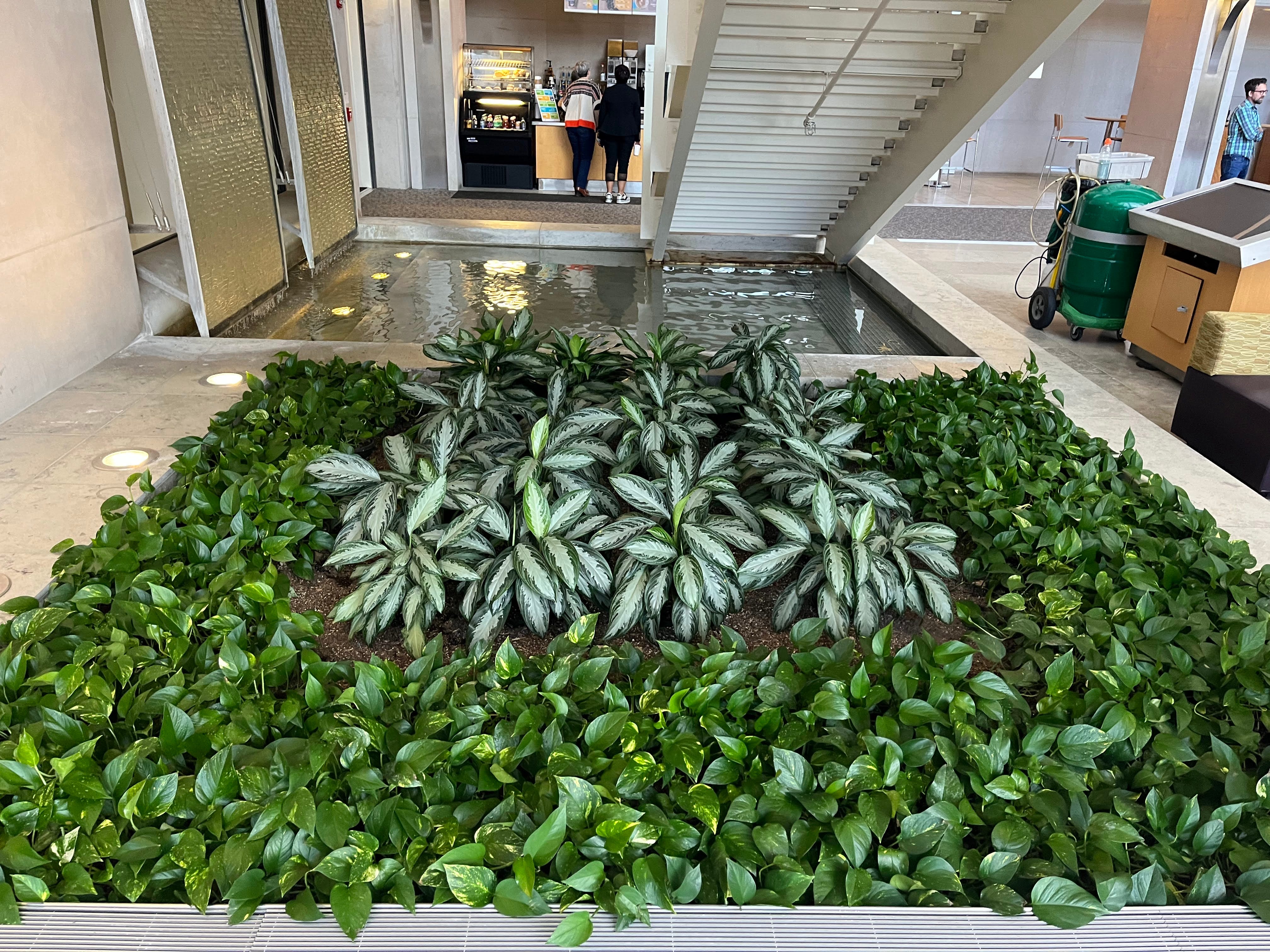
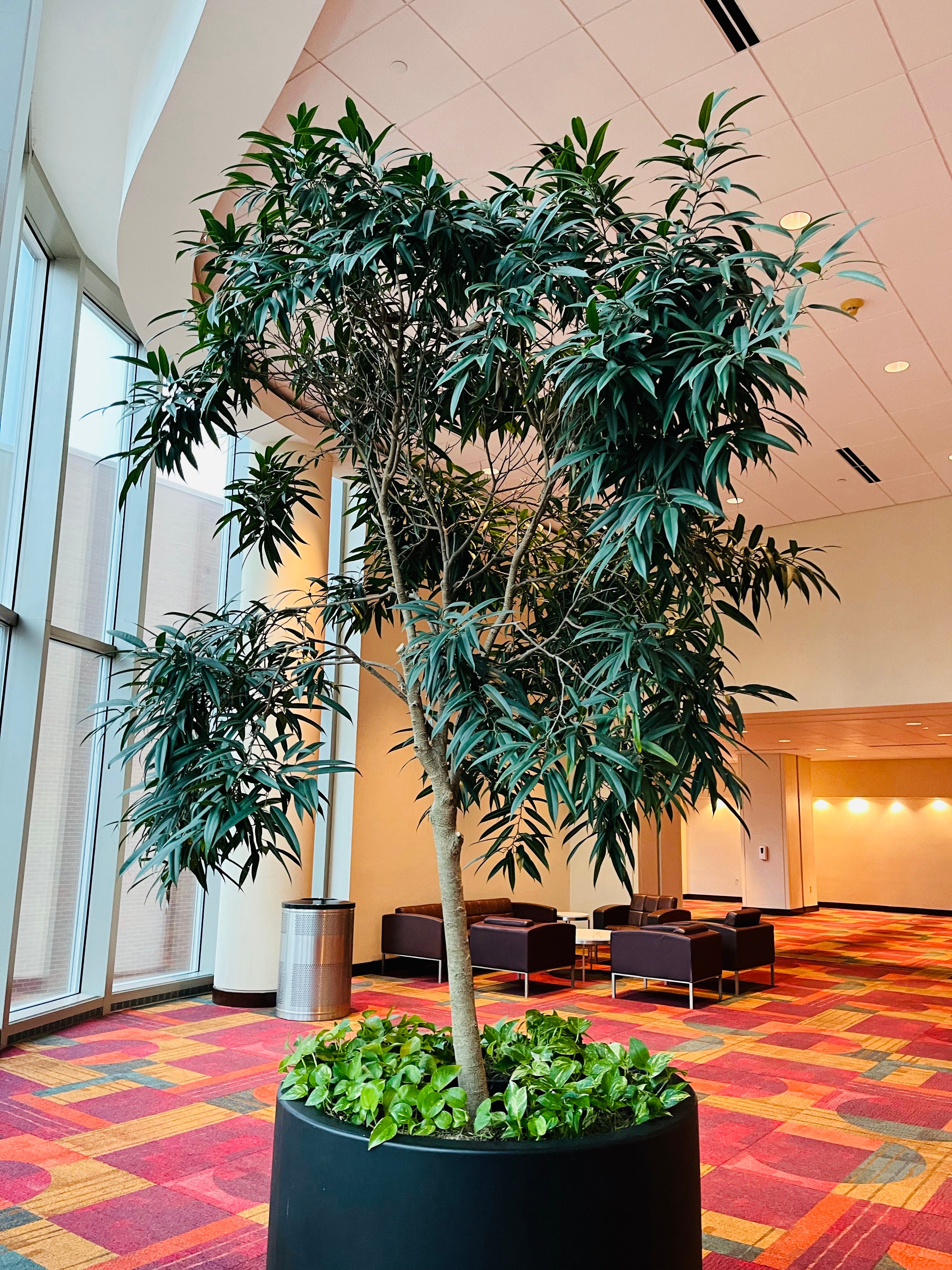
I landed a job as an Interior Plant Specialist in 2022. It was a dream job, but it came with anxiety. I was given huge accounts by the most successful companies in my city. I would visit each location once every two weeks. I held my breath each time I parked, praying the thousands of dollars of plants didn’t croak. I was puzzled. How can plants go that long without weekly, or daily, care? There were tiny plants, huge trees, plant walls, and trailing vines that spanned stories.

I tended to plants in windowless hospital basements, trees in 50 ft floor-to-ceiling windows, and everything in between. I loved my job. I did end up killing numerous plants, yet my supervisor gave me grace. It comes with the territory. People have a hard time keeping one houseplant alive, so keeping hundreds of thousands of plants alive is a feat.

She would always tell me, “You’re overwatering! Stop babying them so much. They’ll be okay.” I had a hard time trusting her. If I didn’t water a plant during my bi-weekly visit, then that means it wouldn’t get water for an entire month. Fear coursed through my veins. My way wasn’t working, so I decided to scale back on my watering. It worked! I really was loving them to death.

The less I watered, the more they thrived. I relaxed, so they relaxed. Plants need oxygen just as much as they need water. I learned that plants are forgiving. If I drown them in water, they’re dead. If I skimp on water, they might droop, but they always pop back. Plants are old as time. They have intricate root systems and complex survival mechanisms.

Did you know houseplants can sense their owners from over a mile away? They lack nervous systems, but they react to light/sound/touch/vibrations. They can alter their growth patterns based on human presence. Plants feel us. They’re ancient. I came to know and love all my charges. They were just as real to me as any human.

I had to leave this job because I moved. It was heartbreaking. I’ll never forget my first week of work. I shadowed the man who was in charge of the accounts I was taking over for two weeks. He was 6’ 4” and very masculine. He was kind and shy. On the last tree of his last shift, he broke down in tears, his shoulders moving up and down in jagged movements. I froze. I didn’t know how to interpret the situation. I looked around embarrassed at the people staring at us. When I turned back to him, he was hugging the tree and petting it. Yes. He was hugging it. I was mortified.

He apologized for getting emotional. He said these plants got him through his divorce and he grew fond of them. He said he talked to them and didn’t know how he was going to get through not taking care of them anymore. I don’t even remember what I said, but I thought he lost his mind. Little did I know, I would be doing the same thing a year later…

It’s hard work keeping plants alive. I grew fond of some and hated others. I took pride and ownership of them. I cared deeply for them. It’s been over two years since I worked there and I still wonder about them. Did the next caretaker give them the love they needed? Did they die? Do they miss me as much as I miss them?

In my opinion, caring for plants is a mirror to our interpersonal style. I loved my plants so much that I killed them. I thought more about ME than I did about THEM. I didn’t want to get in trouble for neglect, so I covered my bases by overwatering so my boss couldn’t say I didn’t try. Once I stepped back, I could see I was being selfish and wasn’t attuned to the plants needs.

I started learning their preferences. Two identical plants, sitting mere inches from each from one another, have different watering needs. It was my job to learn that, and overtime I did. I took a cautious approach and trusted that they would tell me what they needed. I observed them objectively and noticed subtle differences in their growing patterns and leaf distribution. Once I started thinking more about THEM than I did ME, they thrived.

I learned so much about relationships through plants. They were like a Freudian Psychotherapist reflecting my projections. I started to see that there were times I was smothering my husband to death even though it was veiled in love. I was thinking more about myself than his feelings, needs, and preferences. Sometimes I wanted to process everything down to the most minute detail with him, but I found that he likes space to breathe and reflect alone until he forms an opinion.

Sometimes all we need in life is a reminder that we’re coexisting with everything…plants, people, jobs, houses.

The Peace Lily and the Power of Stillness

A Lesson in Quiet Resilience

If you’ve ever been to a funeral, you know exactly what a Peace Lily is. It represents the rebirth of the departed soul from the physical world to a more peaceful place. They’re striking with the dark green leaves and bright white blooms. I have been to many houses that have that single houseplant and they speak reverently about who passed and how they’ll never get rid of it or let it die.

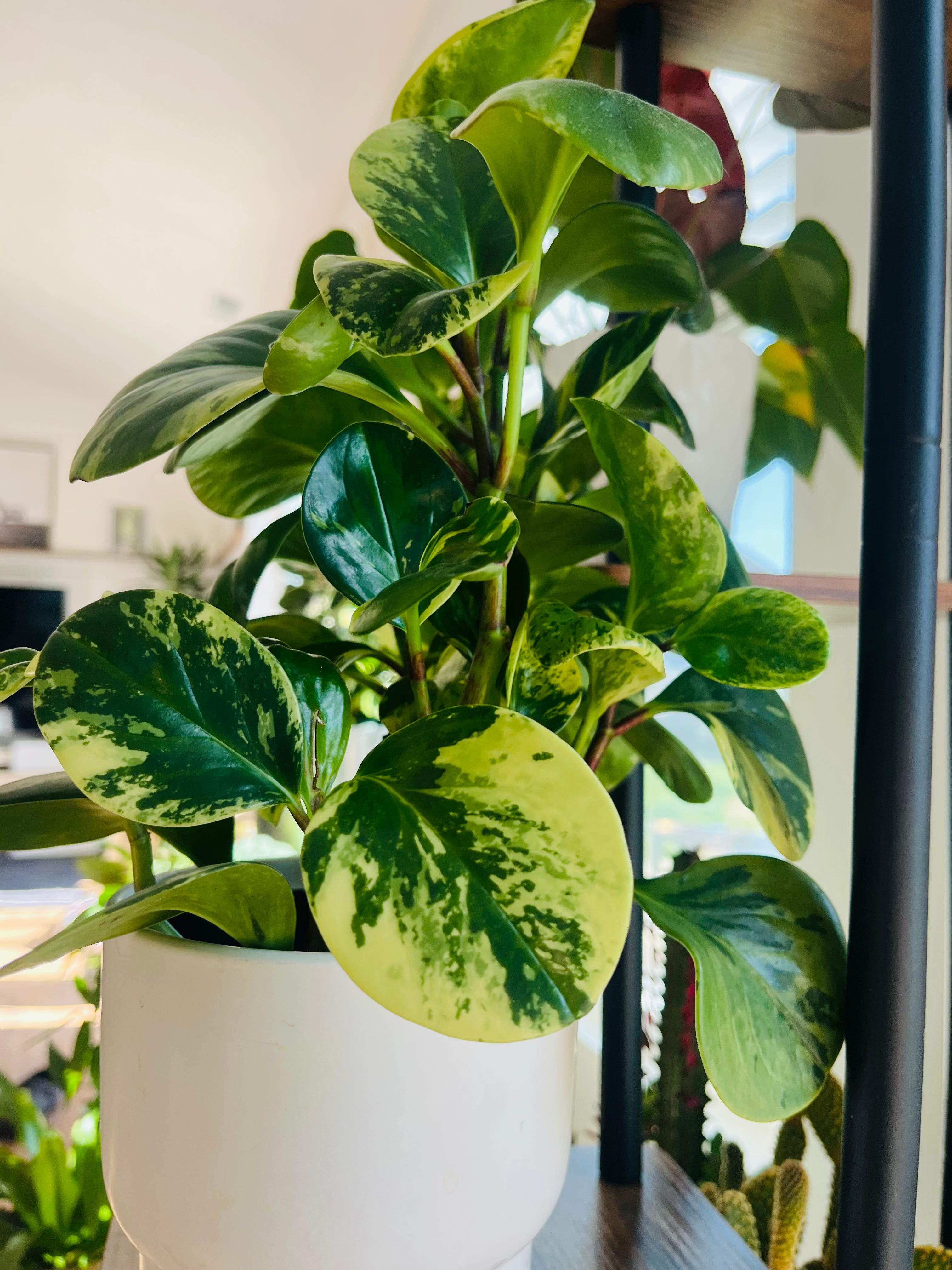
I love Peace Lilies. They’re upfront about their needs. They love bright, but indirect, light. It throws a tantrum when it’s distressed by dramatically drooping its leaves. They reward us with graceful white blooms when we care for them just so. It’s imperative to create a relationship with this plant. They’re like an easy baby; as long as you follow a schedule and give it what it asks for, it’s happy.

I think this plant is a wise teacher. It draws parallels from the plant world and our lives. It reminds us that humans need gentle environments, emotional attunement, and patience in personal growth too.

Sensitivity isn’t a weakness. The Peace Lily thrives in soft light and wilts when neglected, much like sensitive people who need mindful surroundings to flourish. Instead of labeling sensitivity as fragility, this plant shows us it’s a strength that demands deeper care and understanding.

A prominent lesson is that signs are subtle, but honest. A peace lily doesn’t scream when it needs water—it droops. Humans, too, often give quiet signs of burnout, sadness, or stress. Learning to recognize these subtle cues in ourselves and others is a practice in empathy and emotional intelligence.

I’m a natural empath and people pleaser. I can be the Giving Tree. However, I have learned my limits. I used to burn out by giving so much of myself to others that I didn’t have anything left. I get a short fuse when I’m emotionally depleted. I start resenting people and start to isolate. It took a long time for me to look inside of myself and set boundaries. It felt awkward telling people no and I was ridden with guilt for a couple years. However, I have noticed that I’m much happier now that I learned to strike balance.

I recognized that blooming takes time. The white bloom doesn’t appear overnight. It comes only with sustained attention and the right conditions. Just like healing, creativity, or growth—it can’t be forced. You can’t rush a Peace Lily into flowering, nor can you rush your own transformation.

I started to understand that I need to take care of myself first to be useful to others. If I’m operating from a place of obligation, it doesn’t feel good to me or the people I love. When I’m attending to my needs, I naturally want to help others bloom. I feel a lightness about me when the conditions are right. I can’t operate at full capacity 24/7. Just like plants need darkness to recharge, I do too.

The peace lily is a cleanser of air and calmer of spaces. Peace Lilies are natural air purifiers. They silently cleanse what’s unseen—just like how certain people calm rooms with their presence, or how stillness itself can detoxify the chaos in our lives.

In a world that prizes speed, noise, and toughness, the Peace Lily invites us to embrace softness, slowness, and care. It reminds us that peace isn’t passive—it’s a powerful, living thing that must be nurtured.

Lavender Remedies for the Soul

I was hiding in the cold garage, berating myself for smoking. It’s a naughty habit that I only succumb to in times of immense stress. I was hurling the most vile insults at myself. I felt like I couldn’t breathe as the panic started to hit my chest. The plumes of smoke became too dense to find oxygen.

Even though I’m allergic to the sun, I ran outside unprotected. I needed fresh air to level my head out ASAP. I walked to my dinky garden, which never got finished since I was in the throes of figuring out my blistering skin disease this summer. There were only a few wildflowers that were strong enough to survive complete neglect and clay soil that had never been amended. I couldn’t help but be embarrassed of it. It was another reminder of my failures.

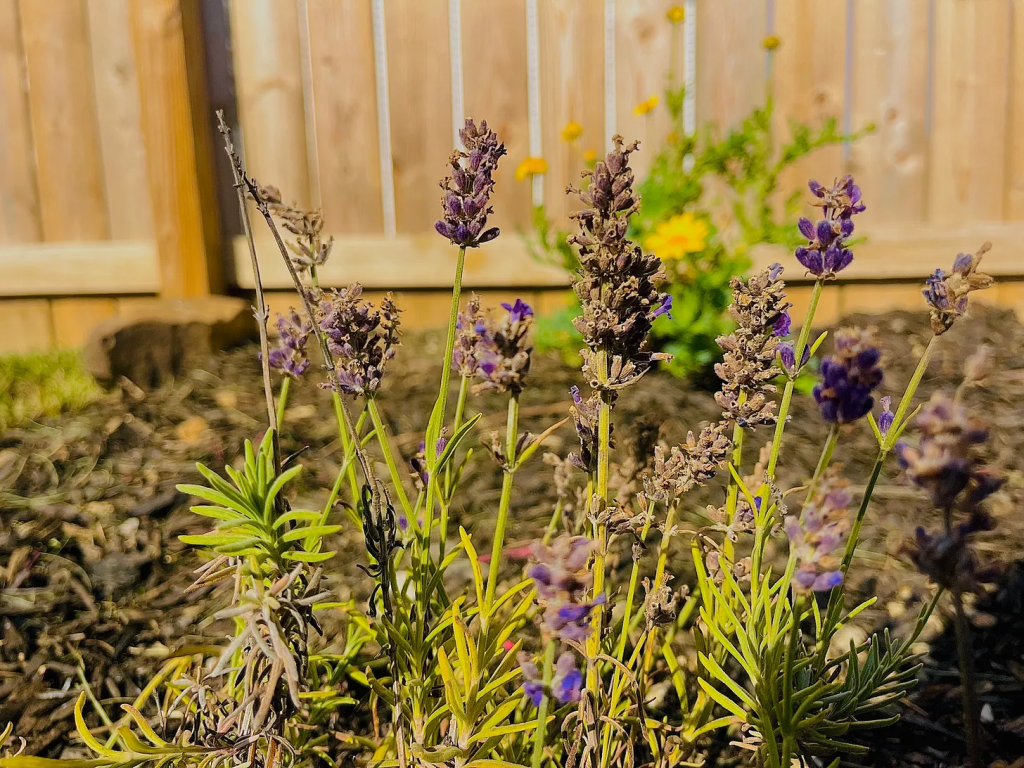
I hung my head low in defeat. A bit of royal purple caught my eye. It was the last remnants of the sugary sweet butterfly bush flowers and lavender. They were releasing a mesmerizing scent. I stopped and picked the mostly dead flowers to enjoy before the freeze.

The scent soothed my angry heart.

As I took deep breaths of nature’s perfume in, the negative self-talk was pushed out.

My mind stopped racing. I was able to feel the warm Fall breeze blowing my freshly cut hair. I noticed how comfortable the river rock wall was beneath my bum. I felt the strong Autumn rays connecting with my born-again virgin skin. I saw my beautiful dog rolling in the green grass to scratch his back, bringing a smile to my lips.

Each time I put my nose in my hands, which were cupping the fragrant blooms, my mood improved. My internal dialogue ceased and nature commanded my full attention.

All I thought about was lavender, honey, green grass, and clear blue skies.

I filled my lungs with the cleanest air.

It felt like Nature was giving me CPR.

I realized that whatever state I’m in, I’m beautiful and whole. I cycle just like plants do.

The nearly rotting flowers were ugly, but their scent made up for their appearance. The end of October is not their time to shine. It’s a time of preparation. The plants know to let their exposed parts die off because they won’t survive the cold, harsh elements. They focus on retaining sugar in their roots to act as an anti-freeze so they can have the energy to withstand the Winter and be ready to bloom in Spring.

Unlike humans, plants trust their instincts. They have observed their environment and know which steps to take. They have patience and resilience. They accept imposed limitations and give it their best shot, no matter what.